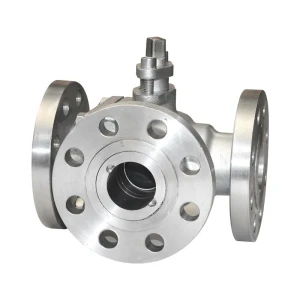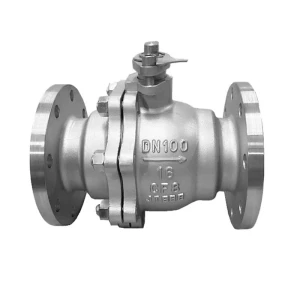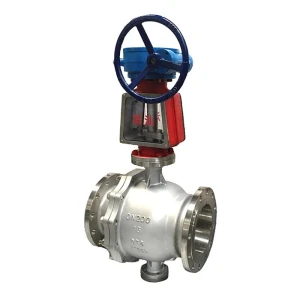

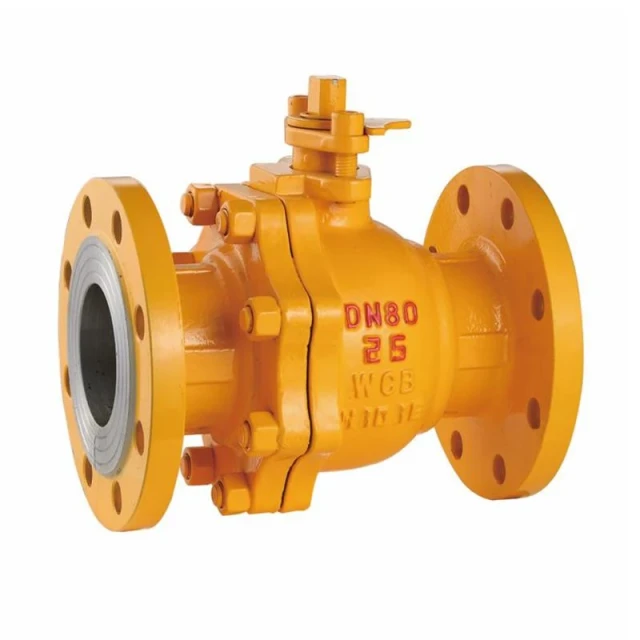
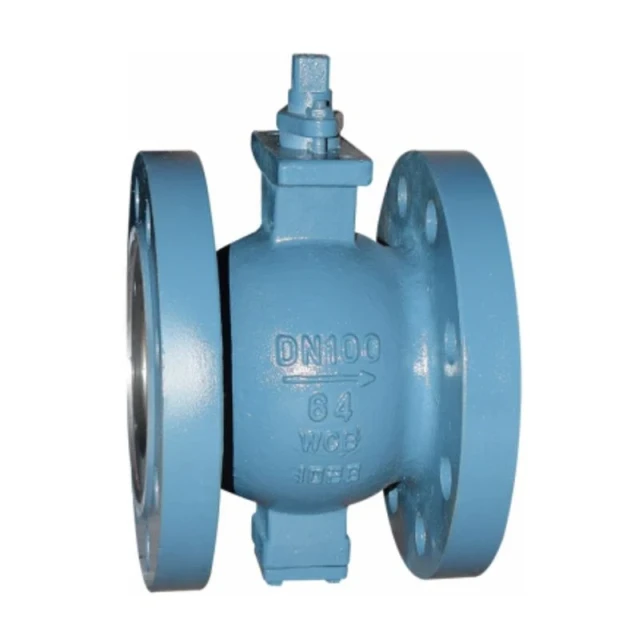
Key Features of Cast Steel Ball Valves
- Material: Made from cast steel, which provides high strength, durability, and resistance to high temperatures and pressures. Common grades include ASTM A216 WCB, WCC, LCB, and LCC.
- Design: Available in various designs such as floating ball, trunnion-mounted, and fully welded. The trunnion-mounted design is often used for high-pressure applications.
- Sealing: Utilizes soft seats (e.g., PTFE, Teflon) or metal-to-metal seats for sealing, depending on the application and media.
- Operation: Can be operated manually (via a hand lever or gear) or automatically (using actuators like electric, pneumatic, or hydraulic).
- End Connections: Typically available with flanged, threaded, or welded ends to suit different piping systems.
Applications
- Widely used in industries such as oil and gas, petrochemical, power generation, water treatment, and more.
Advantages of Cast Steel Ball Valves
- High Pressure and Temperature Resistance: Suitable for demanding environments.
- Durability: Long service life due to robust construction.
- Low Maintenance: Simple design with fewer moving parts reduces maintenance needs.
- Quick Operation: 90-degree rotation allows for fast opening and closing.
Common Standards
- API 6D: Specification for pipeline valves.
- ASME B16.34: Valves—flanged, threaded, and welding end.
- ISO 17292: Metal ball valves for petroleum, petrochemical, and allied industries.
Typical Applications
- Oil and gas pipelines
- Refineries
- Chemical processing
- Power plants
- Water and wastewater treatment