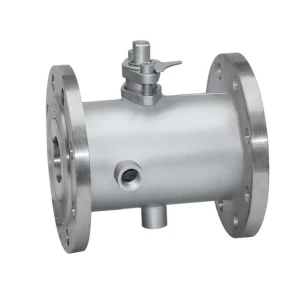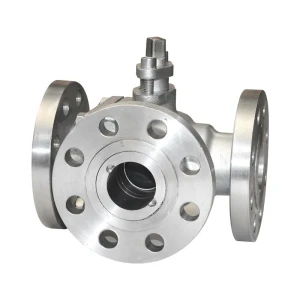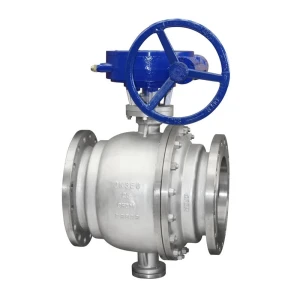

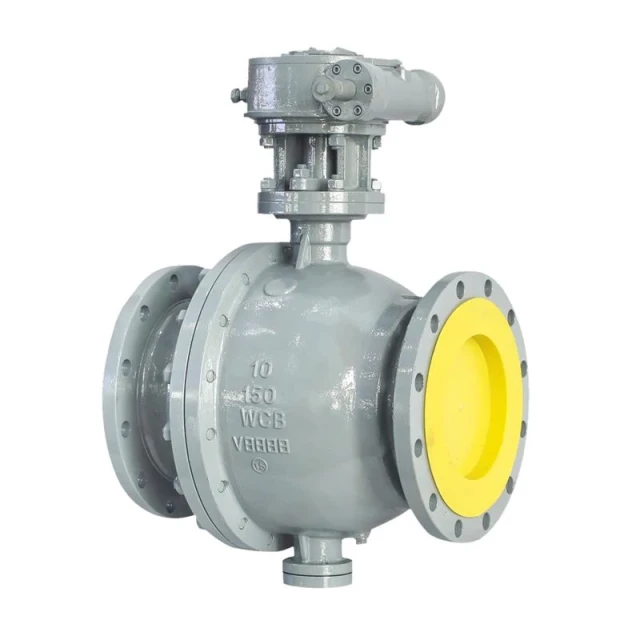
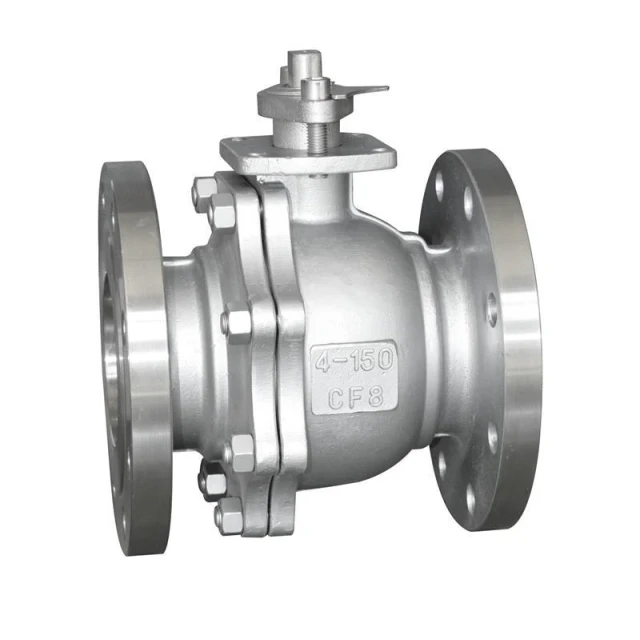
API Ball Valve Overview
API ball valves are engineered to meet the stringent requirements of API standards, ensuring optimal performance in demanding environments. These valves are commonly used in upstream, midstream, and downstream oil and gas operations, as well as in petrochemical and refining industries.
Key Features
- API Standards Compliance:
Designed to meet API 6D and API 608 standards.
Suitable for pipeline and facility applications.
- Robust Construction:
Made from high-quality materials such as carbon steel, stainless steel, and alloy steel.
Designed to withstand high pressure (up to 10,000 psi) and high temperature.
- Full Bore or Reduced Bore:
Full bore design for minimal pressure drop and pigging capability.
Reduced bore for standard applications.
- Fire-Safe Design:Compliant with API 607/API 6FA for fire-safe applications.
- Sealing Options:
Soft seats (PTFE, reinforced PTFE) for tight sealing.
Metal-to-metal seats for high-temperature and abrasive services.
- Operational Flexibility:
Available in manual, pneumatic, hydraulic, and electric actuation options.
End Connections:Flanged, threaded, welded (butt weld or socket weld), and grooved ends.
Applications
- Oil and gas pipelines
- Refining and petrochemical plants
- Offshore and onshore drilling
- Gas processing and distribution
- Water injection and chemical injection systems
Advantages
- Durability: Long service life even in harsh conditions.
- Reliability: Ensures leak-proof performance.
- Versatility: Suitable for a wide range of fluids, including corrosive and abrasive media.
- Ease of Maintenance: Simple design allows for easy repair and maintenance.
Technical Specifications
- Size Range: 1/2" to 48"
- Pressure Rating: Class 150 to Class 2500
- Temperature Range: -50°C to 200°C (depending on materials)
- Standards: API 6D, API 608, ASME B16.34, ISO 17292
Why Choose API Ball Valves?
API ball valves are trusted globally for their performance and reliability in critical applications. They are designed to ensure safety, efficiency, and compliance with industry standards, making them an ideal choice for oil and gas operations.